



Acne: Causes, Types, and Medical Treatment Options
Acne is among the global skin issues. It influences adolescents, adults and even 40s and 50s. Although acne has been perceived as a cosmetic problem, it is a medical skin disorder associated with oil glands and hair follicles. The knowledge of the causes of acne, the types of acne, and the presence of effective methods of treating acne can allow one to control it and avoid the long-term effects on the skin.
What Is Acne?
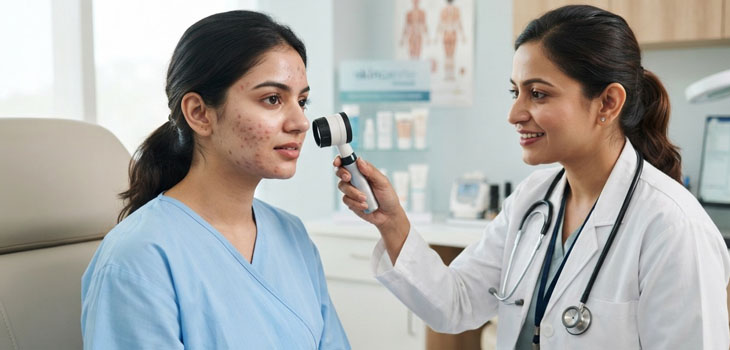
Acne is a disease that develops as a result of clogging hair follicles with oil (sebum), dead cells and bacteria. This obstruction causes an inflammation, redness and observable skin bumps. As per the dermatological research close to 85 percent of the world population falls prey to acne at some time in their lives thus it is not a rare issue but a common skin disorder.
Common Causes of Acne
Acne can be caused by a number of internal and external factors. Among the primary causes of acne are the hormonal changes, particularly during puberty, pregnancy, and menstrual periods. The elevated hormone causes the oil glands to be excited which causes them to produce too much sebum.
There are other causes that include genetic factors, stress, sleeplessness, and taking some drugs like steroids. The lifestyle habits are some contributory factors. Some people have also been found to experience acne flare-ups due to high levels of refined sugars and dairy in their diets. The pores may be aggravated by using heavy skincare or makeup products that may clog the pores.
Different Types of Acne
Knowledge of the acne type is useful in the process of selecting the appropriate treatment. There is a wide division of acne into non-inflammatory and inflammatory.
Whiteheads and blackheads belong to non-inflammatory acne. These can be seen in cases where the pores are clogged yet there is no infection and swelling.
Inflammatory acne contains nodules, cysts, papules and pustules. Papules are red, tender and pustules are filled with pus. The nodules and cysts are more in-depth, painful and may lead to scarring in case they are not treated adequately. Such harsh variants tend to need medical treatment for acne.
Treatment of Acne in Medical Care
The treatment of acne will vary depending on the type and severity of the acne. Topical therapies with such ingredients as benzoyl peroxide, salicylic acid, or retinoids may help mild acne. These assist in that they minimize the production of oil, clear the pores and suppress bacteria.
In the moderate to severe cases, physicians can prescribe the oral medication that includes antibiotics or hormone-restraining therapy. In others, the isotretinoin may be prescribed under rigid medical guidance, when cases of acne are persistent.
Modern medical treatments such as the use of chemical peels, laser treatment and light-based treatments are also employed to treat acne and lessen scarring. The effect of these treatments is aimed at bacteria, inflammation regulation, and enhanced skin texture in the long run.
Why Early Treatment Matters?
Acnes may cause permanent scars, dark specks, and emotional stress, which may occur when untreated. The initial medical advice can enhance skin condition and raise self-esteem and well-being. Professional advice is also recommended to make sure that the treatment is both safe and effective and also matches your skin type.
Conclusion
Acne is a multifaceted disorder, which is dependent on hormones, lifestyle and genetics. It can be controlled with the appropriate knowledge and through the appropriate care taken in time. Revyve Care aims to provide patients with evidence-based treatments to their skin health and specialist care in dermatology to assist those who need a medically directed approach to skin solutions and long-term skin management.