



Why Does Dandruff Always Return No Matter What Shampoo You Use?
Dandruff is a widespread scalp problem, which affects millions of people around the globe. It blights many of us, no matter what shampoos and treatments we try. You may have noticed that even after using a “dandruff control” shampoo, those bothersome flakes like to make a comeback.
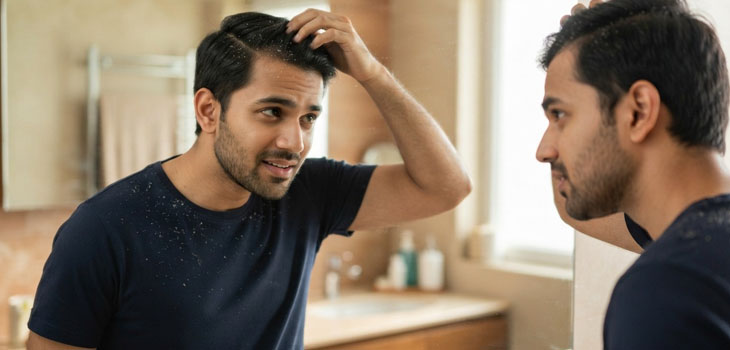
Understanding Dandruff
Dandruff is a scalp condition, not just a cosmetic issue. It is commonly the result of an overgrowth of a yeast-like fungus known as Malassezia, which feeds on the natural oils your scalp makes. This can cause irritation, itchiness and flaking. Other causes including dry scalp, hair product sensitivity and poor scalp hygiene can also be causes.
Curiously enough, dandruff is far more likely to affect adults aged between 20 and 50 and men are also victims of it more than women. Environmental reasons, such as cold climate, low humidity and thick pollution can aggravate it and it may become a persistent condition.
Why Shampoos Don’t Always Work
There are a few reasons dandruff can come back despite frequent use:
1. Treating Symptoms, Not the Cause
A lot of shampoos out there are designed to help cut down on flakes and itch, however they don’t go after the actual cause (like hormones being off or issues directly with skin conditions including seborrheic dermatitis or psoriasis). Unless the underlying issue is addressed, dandruff can return as soon as shampooing is stopped.
2. Inconsistent Usage
For dandruff treatment to work, Shampoo should be used regularly as per the usage directions. Some people apply medicated shampoos intermittently, when they have symptoms. Intermittent use leaves the scalp with the condition.
3. Lifestyle and Diet Factors
Dandruff is not just about hair care, it’s a function of overall health. Many believe that what you eat can also make a difference to the risk of flaking: those high in sugar, processed food or low in vitamins and minerals (e.g. zinc, B vitamins) may be more likely to have dandruff. Stress, sleep deprivation and dehydration can also exacerbate scalp conditions and cause dandruff to come back even if you’re shampooing.
4. Fungal Overgrowth
There are numerous treatment options, but fungi such as the one you found, Malassezia, may gain resistance to them. This explains why a shampoo can reduce symptoms temporarily; the fungus grows back under the right conditions. In such cases, the line of treatment may need to be a more potent antifungal therapy or consult a hair specialist doctor in Faridabad.
When to See a Specialist
Dandruff that doesn’t go away, even after you’ve tried a medicated shampoo available at your local drugstore, needs to be checked out by an expert. You can get in touch with a skin specialist doctor in Faridabad to have your scalp examined after which, they will suggest a personalized treatment plan for hair fall. In some case, medicated shampoos, drugs that you apply to your scalp or changes in your lifestyle and daily hair care may be needed to treat stubborn dandruff.
Practical Tips to Manage Dandruff
- Keep your Scalp Clean
- Stay Away from Harsh Hair Products
- Healthy Eating
- Control Stress
- Moisturize
Conclusion
Dandruff can have many causes, from fungus and scalp sensitivity to lifestyle choices and diet, shampoo alone will not provide long-term solutions; professional advice must also be sought to manage its control. Shampoo can offer temporary relief; for lasting relief visit Faridabad skin specialist doctors. Visit best skin specialist doctor or haircare practitioner as these professionals know exactly the source of dandruff problems that repeat themselves regularly and take an effective approach towards treating or managing it effectively will keep flakes at bay!
Revyve Care recommends consulting leading dermatologists and hair experts when managing long-term dandruff issues, to effectively address them and to treat these reoccurring scalp concerns.