



How Dermatologists Diagnose Skin Conditions
Issues with the skin may be very different underneath, despite their surface appearance. Correct diagnosis is significant in that the right treatment is based on the comprehension of the events occurring within the skin. Dermatologists apply a progressive method of medicine in diagnosing skin diseases as opposed to relying on the appearance of the skin.
Learning about the Medical History of the Patient
A detailed discussion is normally the starting point of the diagnosis. The questions put by dermatologists are when the skin problem began, whether it has evolved over time, and whether it is itchy, painful, or uncomfortable. Allergy information, medications, lifestyle, stress, as well as family history, can also be used to reduce the number of potential causes. There are numerous genetic or environmental correlations with various skin disorders such as eczema and psoriasis.
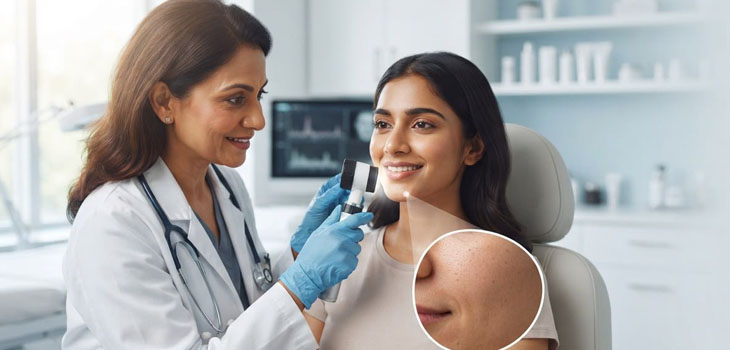
Visual Skin Examination
One of the most significant stages in the diagnosis of skin conditions is a close skin examination. Dermatologists pay much attention to the color and texture, shape, and distribution of rashes, spots, or lesions. There are those conditions that only target specific parts of the body whereas others are found symmetrically. This visual image provides useful indications to proper diagnosis of the skin condition.
Application of Dermoscopy and Magnification Instruments
Granted, the dermatologists in most instances rely on a handheld instrument known as a dermoscope. This device enlarges the skin and enables physicians to view the pigmentation patterns and blood circulation which are not easily noticeable and whose detail would have been unattainable without the use of the device. Dermoscopy is particularly useful in diagnosing skin diseases such as melanoma, moles as well as other pigmented lesions in their early stages of development.
Lab examinations and skin lesions
In cases where the visual observation is inadequate, tests can be prescribed by dermatologists. A skin biopsy is a procedure that entails the excision of a minute piece of skin and taking it to a lab. This is useful in diagnosing autoimmune skin diseases, infections or chronic inflammatory diseases. Blood tests can also be requested in case the problem with the skin is connected with the internal problems of health such as hormonal disorders or problems of the immune system.
Patch Testing for Allergic Dermatologic Conditions
Patch testing is common among patients who have recurring rashes or where a suspected allergy has occurred. Minimal quantities of usual allergens are put on the skin and are monitored within several days. This procedure assists in the diagnosis of contact dermatitis and finding the substances that cause allergic responses on the skin.
The importance of Accurate Diagnosis
Studies indicate that close to 30-40 percent of the patients tend to misdiagnose their own skin condition, which results in delayed treatment. Professional diagnosis is relevant because it will address the cause of the problem and not merely treat the symptoms. The complications, scarring, and permanent damage of the skin can also be prevented by early and proper detection.
Conclusion
The diagnosis of skin conditions is a complex approach that involves the history of the patient, physical examination, and diagnostic measures. The dermatologists use their experience, clinical observation and scientific testing to determine the precise problem and provide proper care. A formalized approach will provide adequate treatment of skin disorders in a safe and effective manner.
Patients will be able to visit Revyve Care and meet with qualified dermatology specialists who practice evidence-based diagnosis to learn about skin issues and make informed decisions about the need to attend care decisions.