


Vitiligo Treatment: Symptoms, Causes & Modern Medical Solutions
Vitiligo is a long-term skin condition in which areas of skin lose melanin, resulting in lighter or completely white patches. It can appear on the face, hands, arms, feet and other parts of the body, and may also affect hair in the affected area. Although vitiligo is not contagious, its visible changes can affect confidence and emotional well-being.
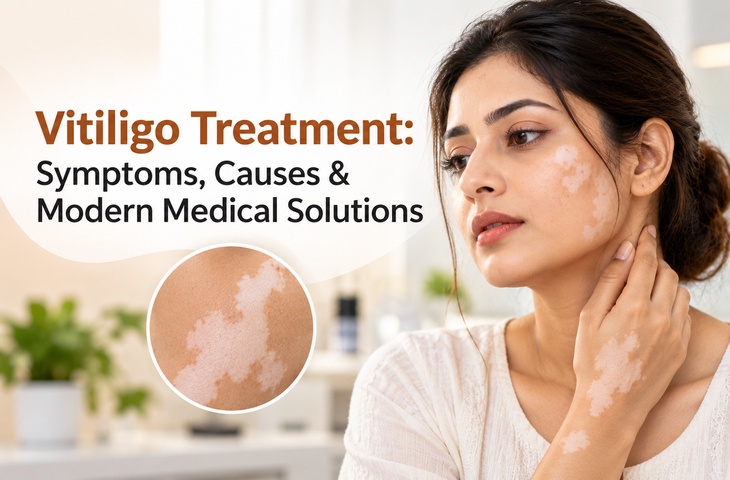
People often search for a vitiligo cure when they first notice changing skin colour. However, current medical care mainly focuses on controlling progression and encouraging repigmentation rather than guaranteeing a permanent cure. Modern options such as topical medicines and NB-UVB treatment for vitiligo can be considered after a proper dermatological assessment.
What Is Vitiligo?
Vitiligo develops when melanocytes, the cells responsible for producing melanin, are reduced or no longer function normally. Non-segmental vitiligo, the most common form, is generally considered an autoimmune condition in which the immune system targets melanocytes.
The condition can be localised or widespread, and its pattern and progression can differ considerably between individuals.
Symptoms of Vitiligo
Common signs include:
- • Pale patches that gradually become white
- • Loss of colour around the mouth or eyes
- • White patches on hands, fingers, feet or other areas
- • Whitening or greying of hair growing from affected skin
- • Patches that may appear symmetrically on both sides of the body
A dermatologist may use a Wood's lamp during examination to distinguish vitiligo from other causes of lighter skin.
What Causes Vitiligo?
The exact cause is not completely understood. Genetic susceptibility, autoimmune activity and certain environmental or physical triggers may contribute.
Is Vitiligo Genetic?
So, is vitiligo genetic? Family history can increase the likelihood of developing vitiligo, and researchers have identified genetic variations associated with the condition. However, having a family member with vitiligo does not mean that a person will definitely develop it.
Importantly, vitiligo is not contagious and cannot spread from one person to another through touch or close contact.
Modern Vitiligo Treatment Options
There is currently no guaranteed permanent vitiligo cure, but several treatments can help restore pigmentation or improve the appearance of affected skin. The choice depends on factors such as the type of vitiligo, affected body areas, extent of pigmentation loss and whether the condition is active.
Topical Medications
Dermatologists may prescribe corticosteroids or calcineurin inhibitors such as tacrolimus or pimecrolimus. These treatments can help encourage repigmentation, although corticosteroids generally need controlled use because prolonged use can cause skin thinning and other side effects.
NB-UVB Treatment for Vitiligo
NB-UVB treatment for vitiligo uses a controlled wavelength of ultraviolet-B light to stimulate repigmentation. It is commonly considered when vitiligo is widespread or topical treatment alone has not produced sufficient improvement. Phototherapy is performed under medical supervision, with treatment schedules determined according to the individual's condition.
Other Medical Approaches
Depending on the case, dermatologists may also consider newer medicines, combination therapy, or surgical procedures such as grafting or cell transplantation for carefully selected patients. Active vitiligo may make surgical approaches unsuitable.
| Treatment | Common purpose |
|---|---|
| Topical steroids | Reduce inflammation and encourage repigmentation |
| Tacrolimus/Pimecrolimus | Support repigmentation, particularly in some sensitive areas |
| NB-UVB | Encourage repigmentation in more extensive vitiligo |
| Ruxolitinib | A newer topical option for eligible patients |
| Surgical procedures | Considered in selected stable cases |
Choosing Vitiligo Treatment in Faridabad
Finding appropriate vitiligo treatment in Faridabad starts with an accurate diagnosis and individual assessment rather than choosing a treatment solely because it worked for someone else. A dermatologist can assess the pattern and activity of vitiligo and discuss suitable options, including medicines or phototherapy.
At Revyve Care, patients can discuss their concerns with a skin specialist and understand available treatment approaches based on their individual condition.
Conclusion
Vitiligo can look different from person to person, so treatment should also be personalised. While a guaranteed vitiligo cure is not currently available, modern dermatology offers several approaches that may help control the condition and restore pigmentation. If you are considering vitiligo treatment in Faridabad, consult Revyve Care for a professional evaluation and treatment discussion based on your skin condition.
Frequently Asked Questions
1. Is there a permanent cure for vitiligo?
There is currently no guaranteed permanent vitiligo cure. Treatment can restore pigmentation in some patients, but repigmentation may fade and ongoing or maintenance treatment may sometimes be required.
2. Which treatment works best for vitiligo NB-UVB, medication, or others?
There is no single treatment that works best for everyone. Topical medicines, NB-UVB treatment for vitiligo, combination approaches and other options may be considered according to the type, location and extent of the condition.
3. Is vitiligo genetic or contagious?
If you are asking is vitiligo genetic, family history and genetic factors can increase susceptibility. However, vitiligo is not contagious and cannot be transmitted through physical contact.